The Cookware Essentials Guide: Choosing the Right Tools for Your Kitchen Symphony
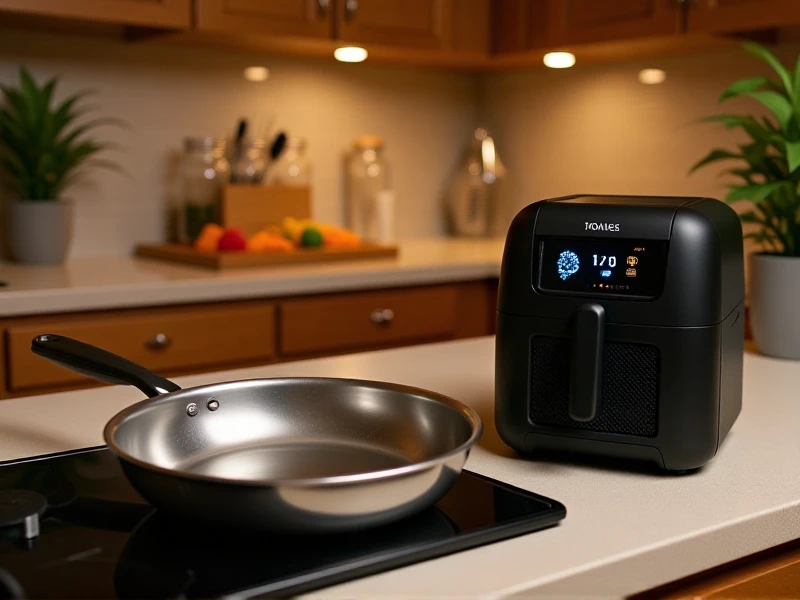
Here is the original English SEO-optimized article about cookware:
Every great chef, from the seasoned professional to the enthusiastic home cook, knows that outstanding meals start with the right foundation: exceptional cookware. Choosing the perfect pots, pans, and skillets isn't just about aesthetics; it's fundamental to cooking technique, heat distribution, efficiency, and ultimately, the taste and presentation of your food. Navigating the vast array of cookware types can feel overwhelming, but understanding the core materials and their strengths simplifies the selection.
Material mastery is key. Stainless steel cookware is celebrated for its remarkable durability, non-reactive nature (perfect for acidic sauces), and elegant look that lasts. It often features an aluminum or copper core sandwiched between layers of steel (clad construction), ensuring superior and even heating – crucial for achieving the perfect sear or delicate sauce. Non-stick surfaces offer fantastic convenience, especially for delicate items like eggs, fish, or pancakes. While often less durable than other types, modern ceramic-infused or anodized aluminum non-stick options offer improved scratch resistance. Cast iron remains a timeless favorite. Heavy and unparalleled in heat retention, it excels at searing and baking. Well-seasoned cast iron naturally offers good non-stick properties. Enameled cast iron provides the benefits of cast iron with a non-porous, colorful enamel coating, eliminating the need for seasoning and allowing simmering acidic dishes without metallic taste transfer. Copper cookware provides the most responsive and even heating of all, prized by professional chefs. It typically requires a lining (like tin or stainless steel) for food safety and requires more maintenance to keep its shine.
Beyond the material, consider how the cookware will be used. Do you need a workhorse skillet for everyday frying, specialized saucepans for delicate reductions, or a versatile Dutch oven for braises and baking bread? Matching pieces to your most frequent cooking tasks ensures practical utility. Handle comfort, oven safety limits, and compatibility with your stove (especially induction) are critical practical factors often overlooked.
Investing in quality cookware pays dividends. Well-maintained pieces perform better, last longer, and make cooking more enjoyable. Always check manufacturer guidelines, but generally: avoid abrasive cleaners (especially on non-stick), dry immediately to prevent water spots and rust (on metals like carbon steel or cast iron), season cast iron regularly as per guide instructions, and store carefully to avoid scratches. Use wooden, silicone, or nylon utensils to preserve non-stick surfaces and prevent scratches on enamel.
Ultimately, the perfect cookware set harmonizes with your cooking style and kitchen needs. Take the time to understand the materials, prioritize your primary uses, and commit to proper upkeep. Quality cookware isn't just a tool; it becomes a trusted kitchen partner, enabling you to craft delicious meals consistently. Your perfectly golden omelet, flawlessly seared steak, or deeply simmered soup starts with choosing wisely crafted pots and pans.