The Art of Cooking with Pans: Your Essential Guide
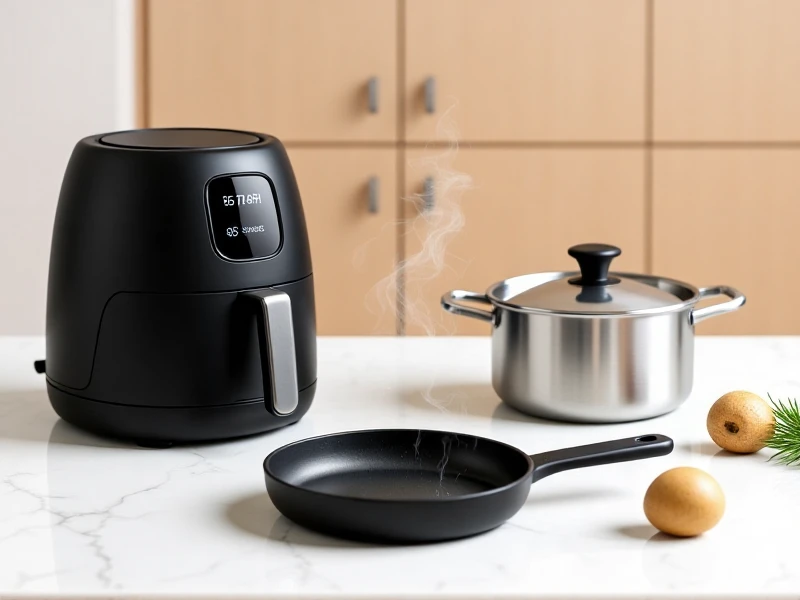
A good pan is the cornerstone of any kitchen. Whether you're searing a steak, sautéing vegetables, or whipping up fluffy pancakes, the right pan makes a crucial difference in your cooking results and enjoyment. But with so many options – stainless steel, non-stick, cast iron, copper – choosing and caring for the perfect pan can feel overwhelming. Let's demystify the world of cookware and help you achieve cooking excellence.
Choosing Your Pan Partner
The best pan depends heavily on what you cook most often and your cooking style:
- Non-Stick Pans: Ideal for low-to-medium heat cooking tasks where sticking is a nightmare: eggs, fish fillets, delicate crepes, or reheating leftovers. Look for durable ceramic or reinforced coatings. Avoid metal utensils and high heat to maximize lifespan.
- Stainless Steel Pans: The versatile workhorses. They excel at searing meats at high temperatures (creating those delicious browned bits called fond), deglazing for sauces, and are generally oven-safe. They require preheating and sufficient fat/oil to prevent sticking. A tri-ply construction (stainless/aluminum/stainless) offers superior heat distribution.
- Cast Iron Pans: Beloved for their incredible heat retention and ability to develop a natural non-stick seasoning over time. Perfect for searing steaks, baking cornbread, or creating perfect crispy-skinned chicken. They require seasoning and careful maintenance to keep them rust-free. Pre-seasoned options ease entry.
- Copper Pans: The professional's choice for ultimate, responsive heat control, ideal for precision tasks like sauces or delicate seafood. Often lined with tin or stainless steel. They are typically the most expensive and require polishing.
Mastering Your Pan: Essential Tips
- Preheating (Most Pans): Allow your pan (especially stainless steel or cast iron) to heat properly over medium heat before adding food. A water droplet should skitter and evaporate instantly when the pan is ready.
- Fat is Your Friend: Especially in non-coated pans (SS, CI), use adequate high-smoke-point oil or butter to create a barrier and prevent sticking. Heat the oil until shimmering before adding food.
- Don't Crowd the Pan: Overloading causes steaming instead of searing. Cook in batches if necessary for optimal browning.
- Proper Heat Control: Match the heat level to the pan and the task. Avoid cranking non-stick pans to maximum, as it damages the coating. Cast iron excels at high heat searing.
- Cleaning with Care: Avoid thermal shock. Let your pan cool slightly before adding cold water. For non-stick, use soft sponges. Season cast iron after washing and drying thoroughly. Stainless steel often benefits from gentle baking soda pastes or specialty cleaners if food gets stuck.
- Respect Utensils: Use wood, silicone, or nylon utensils with coated pans. Metal tongs or spatulas can safely scrape stainless steel or cast iron.
Unlock Better Cooking Instantly
Investing in a few high-quality pans suited to your core needs and learning to use and care for them properly is transformative. A perfectly seared steak from a hot cast iron pan, effortlessly flipped omelets from your non-stick, or a beautifully deglazed sauce from stainless steel – these are the marks of a cook in tune with their tools. Understand your pan, respect its characteristics, and it will consistently reward you with exceptional results.
Ready to elevate your kitchen game? Explore our curated selection of premium pans and expert guides to find the perfect fit for your culinary journey. Discover the difference the right pan makes!