Essential Cookware Guide: Building Your Perfect Kitchen Collection
2026-01-04
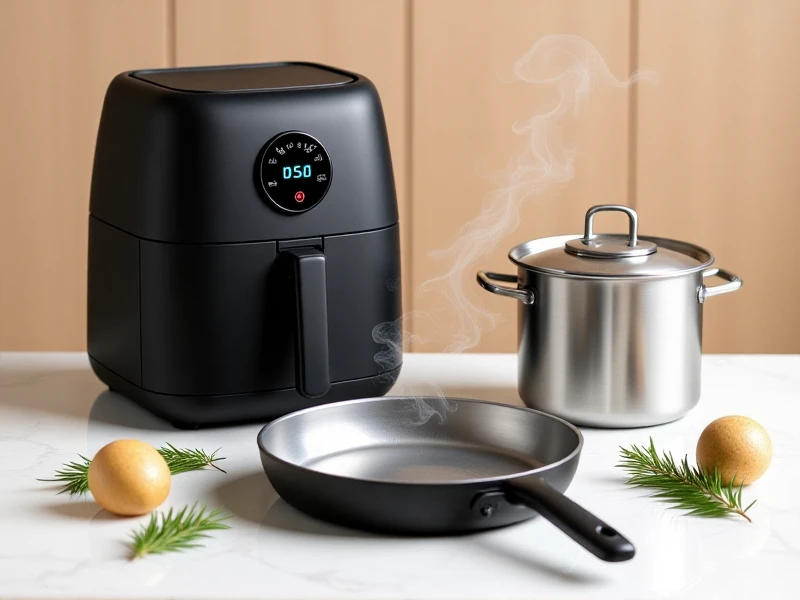
Your kitchen deserves reliable cookware that makes cooking enjoyable and efficient. Choosing the right pieces forms the foundation for culinary success. This guide explores essential cookware types and key considerations to help you build a versatile collection that lasts.
Foundational Cookware Pieces:
- Saucepans: Versatile workhorses, indispensable for boiling, simmering, reheating, and basic sauces. Sizes from 1.5 to 4 quarts cover most tasks.
- Stockpots: Large (6-8 quarts ) vessels for soups, stocks, pasta, corn-on-the-cob, or big batches. Look for sturdy construction.
- Sauté Pans (Fry Pans): Essential for frying, searing meats, stir-frying, and browning. Low, angled sides facilitate tossing. Sizes: 10-inch & 12-inch.
- Skillets: Similar to fry pans but often have slightly deeper, often curved sides. Ideal for frying eggs, pancakes, and creating pan sauces.
- Dutch Ovens: Heavy-duty pots with tight-fitting lids perfect for slow-cooking, braising, stewing, baking (bread!), and deep-frying. Enameled cast iron is highly popular, though plain cast iron requires seasoning.
Key Material Choices:
- Stainless Steel: Durable, non-reactive (won't alter flavors), dishwasher safe, and oven-proof. An aluminum or copper core in the base boosts heat conduction. Excellent for saucepans & stockpots.
- Non-Stick: Makes cooking delicate items like eggs or fish easy and requires minimal fat. Crucially: Avoid high heat and metal utensils, which damage the coating. Pans need replacing periodically. Best for skillets/omelette pans specifically.
- Cast Iron: Provides unmatched heat retention and even heating, perfect for searing. Requires proper seasoning and care but improves over time. Ideal for skillets and Dutch ovens (plain versions).
- Carbon Steel: Lightweight like stainless yet seasons like cast iron. Heats quickly and extremely durable. Popular among chefs for pans.
- Hard-Anodized Aluminum: Hard, durable non-reactive surface offering even heating and some non-stick benefits. Lighter than stainless steel.
Essential Buying Tips:
- Prioritize Core Pieces: Start with essentials like a skillet/fry pan, saucepan, and a stockpot or Dutch oven before expanding.
- Quality Over Quantity: Invest in well-constructed pieces from reputable brands. Better cookware lasts longer and performs consistently.
- Match Lids: Ensure pots come with snug-fitting lids or buy compatible ones. Glass lids offer visibility.
- Oven & Handle Safety: Confirm heat-resistant handles (especially for oven use) and oven-safe temperature limits.
- Even Heating Matters: Look for thick, multi-ply bases (like encapsulated aluminum) to prevent hot spots and ensure even cooking.
Building your cookware arsenal doesn't require an entire store. Focus on high-quality, versatile essentials that suit your cooking style. Investing in good pieces enhances efficiency, food quality, and overall kitchen enjoyment for years, making your culinary journey far more rewarding.
Category: